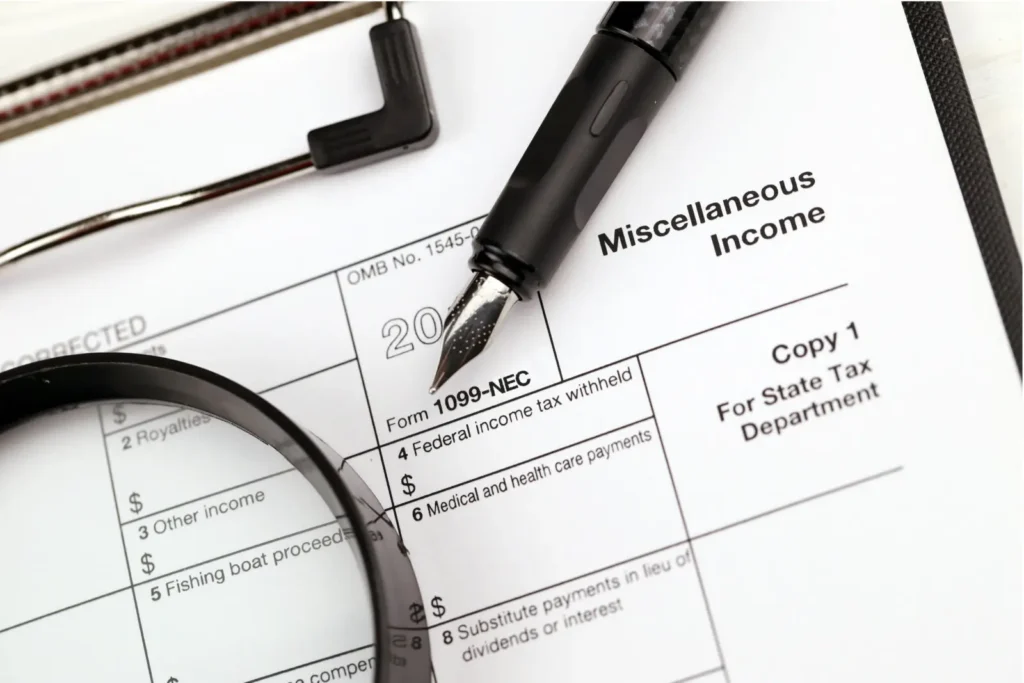
As the 2026 tax season approaches, many small business owners and contractors are asking the same question: Do I need to file 1099 forms and if so, which ones?
The IRS continues to focus on contractor reporting, and missing or incorrect 1099 filings can lead to penalties, delays, and unnecessary stress. This guide breaks down the 1099 filing requirements for 2026 in clear, practical terms so you know exactly what’s required and how to stay compliant.
What Is a 1099 Form?
If your QuickBooks or accounting software hasn’t been touched for months, you’re already behind. Outdated books mean you can’t see where your money is going or make confident decisions. With strict tax reporting deadlines in the United States, this can put you at risk of fines and compliance issues.
The longer your books stay incomplete, the harder it becomes to reconcile transactions, categorize expenses correctly, and identify cash leaks. Outdated records also limit your ability to spot financial trends, apply for business credit, or respond quickly to unexpected tax inquiries. Timely catch-up bookkeeping ensures your numbers remain accurate and useful.
A 1099 form is used to report certain types of income paid to individuals or businesses that are not your employees. The most common form for small businesses is Form 1099-NEC, which reports payments made to independent contractors.
If your business paid contractors, freelancers, or service providers during the year, you may be required to file one or more 1099 forms with the IRS—and provide copies to the recipients.
Who Needs to File 1099s in 2026?
You are generally required to file a 1099 if all of the following apply:
You operate a business or trade (including LLCs, partnerships, and sole proprietors)
You paid a non-employee (contractor, freelancer, consultant)
Total payments were $600 or more during the year
Payments were made for services (not goods)
Payments were made by cash, check, ACH, or wire (not credit card or third-party processors)
This applies to many industries, including:
Marketing agencies
Construction businesses
Ecommerce brands
Consultants and freelancers
Real estate professionals

1099-NEC vs 1099-MISC: What’s the Difference?
Understanding the difference between these two forms is critical:
Form 1099-NEC
Used to report:
Payments to independent contractors
Freelancers and consultants
Professional service providers (non-employees)
This is the most common 1099 for small businesses.
Form 1099-MISC
Used to report:
Rent payments
Royalties
Legal settlements
Other miscellaneous income
Most contractor payments should now be reported on 1099-NEC, not 1099-MISC.
1099 Filing Deadlines for the 2026 Tax Season
For income paid during the 2025 calendar year:
January 31, 2026 – Deadline to:
Provide 1099 forms to contractors
File 1099-NEC with the IRS
Missing this deadline can result in penalties, even if no tax is owed.
Common 1099 Filing Mistakes Small Businesses Make
Many businesses run into issues because of avoidable mistakes, such as:
Not collecting a W-9 from contractors
Filing the wrong 1099 form
Missing the filing deadline
Incorrect contractor names or EIN/SSN
Forgetting to file state-level 1099s (where required)
These errors can trigger IRS notices and penalties that grow over time.
Penalties for Late or Incorrect 1099 Filings
The IRS may assess penalties if 1099s are:
Filed late
Filed with incorrect information
Not filed at all
Penalties typically range from $60 to $310 per form, depending on how late the correction is made. Intentional disregard can result in even higher penalties.
Do Contractors Need to Do Anything?
If you’re an independent contractor, you don’t file your own 1099 but you should:
Ensure your clients have your correct W-9
Verify the income reported on your 1099
Report that income on your personal or business tax return
Incorrect 1099s should be corrected before filing your return.
How to Prepare for 1099 Filing (Best Practice)
To make the 2026 filing process smooth:
Collect W-9s from all contractors before payment
Track contractor payments throughout the year
Reconcile payments before year-end
File forms early to avoid last-minute errors
Work with a professional if you’re unsure
Final Thoughts
1099 filing doesn’t have to be complicated—but it does need to be handled correctly. With increased IRS attention on contractor reporting, staying compliant protects your business from penalties and unnecessary stress.
If you’re unsure whether you need to file 1099s, which forms apply, or how to prepare for the 2026 tax season, getting professional guidance early can save time and money.
Need Help with 1099 Filing?
1099 filing doesn’t have to be complicated—but it does need to be handled correctly. With increased IRS attention on contractor reporting, staying compliant protects your business from penalties and unnecessary stress.
If you’re unsure whether you need to file 1099s, which forms apply, or how to prepare for the 2026 tax season, getting professional guidance early can save time and money.
AYBE Finance supports small businesses and contractors with bookkeeping, accounting, and tax compliance services, including accurate 1099 preparation and filing.